Pillar 02
Strengthening national ownership to accelerate malaria elimination
How we track progress
Regional accountability mechanisms are designed, implemented and monitored (aligned to the Big Push principles)
Source: ALMA continental scorecard for African countries - Other regions: there but need to align
% countries with an active multi-sectoral framework such as EMC/others
Source: TBC
The challenge
Ending malaria requires strong leadership from governments and accountability beyond the health sector. Political commitment, domestic financing, and community engagement are essential to sustain elimination efforts.
Malaria elimination requires whole-of-government commitment and sustained high-level attention over many years. When leadership falters, gains are quickly lost.

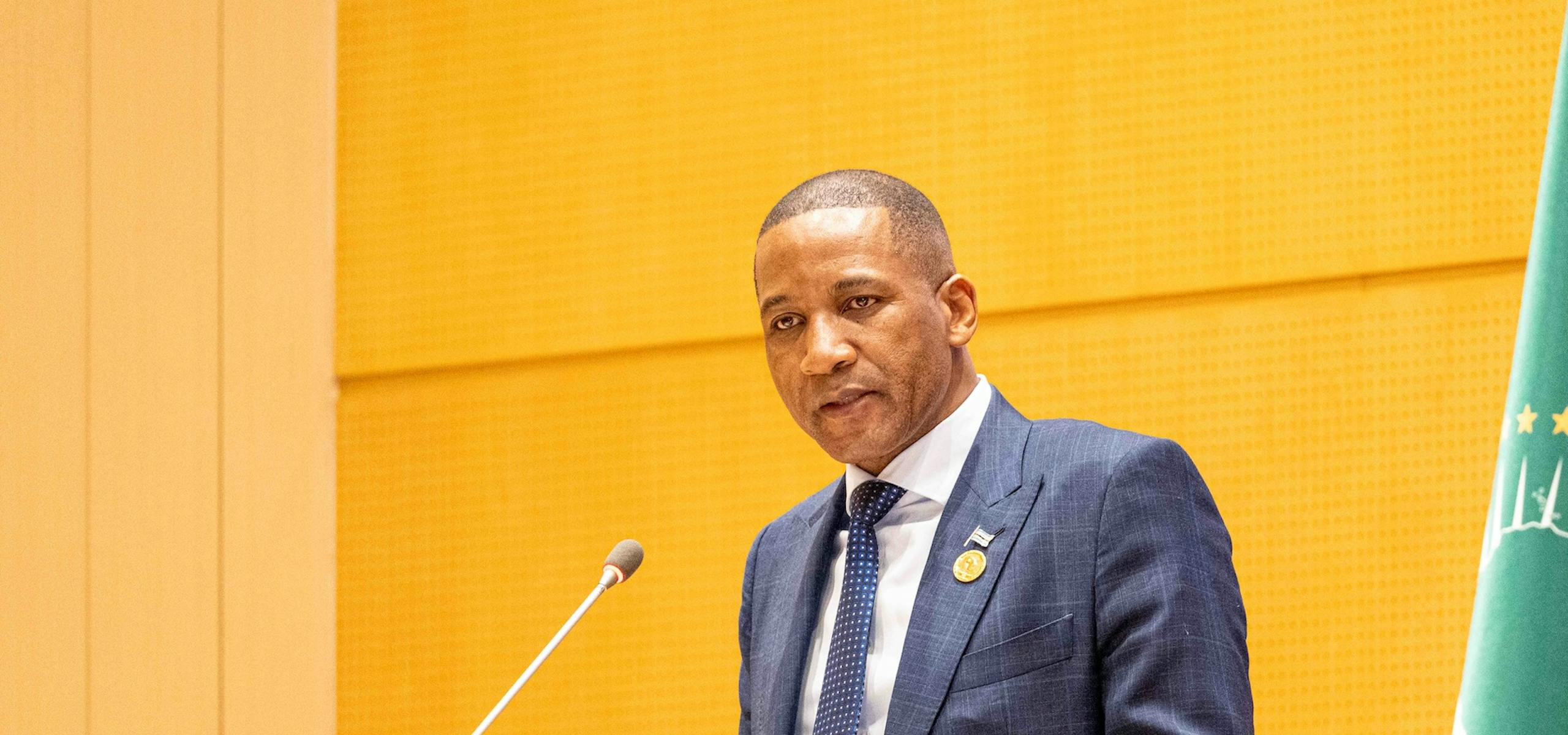
With strong political will, accountability, and innovation, we can consign malaria to history and unlock a healthier, more prosperous Africa.
Executive Secretary of ALMA
The Big Push: From Today to Tomorrow
Connected Progress
National leadership enables all other pillars
Strong national leadership protects funding, enables better coordination, drives investment in data systems, and ensures political support for accessibility improvements and new tool adoption. When countries lead, every pillar benefits.
Manage cookie preferences
Select which optional cookie categories you want to allow. Essential cookies are always active.
Essential cookies are required for site functionality.