Pillar 06
Sustaining the resources that make elimination possible

How we track progress
Total % of malaria financing vs. stated need, broken out by:
Domestic % of financing need
International % of financing need
Source: RBM Gap Analysis Table; ALMA funding scorecard; Global Fund funding landscape forms; Country costed plans
TBC
Source: —
The challenge
Malaria elimination is achievable — but only with sustained, predictable financing. The global target exceeds five billion dollars annually, with an increasing share from domestic sources.
Today, that target is not being met. Donor contributions are flattening as competing global priorities absorb resources. Domestic investment, while growing, remains insufficient in many endemic countries. Meanwhile, costs continue to rise — commodities, delivery systems, and operational expenses all demand more than budgets currently provide. Without action to protect and diversify funding, hard-won progress is at risk.
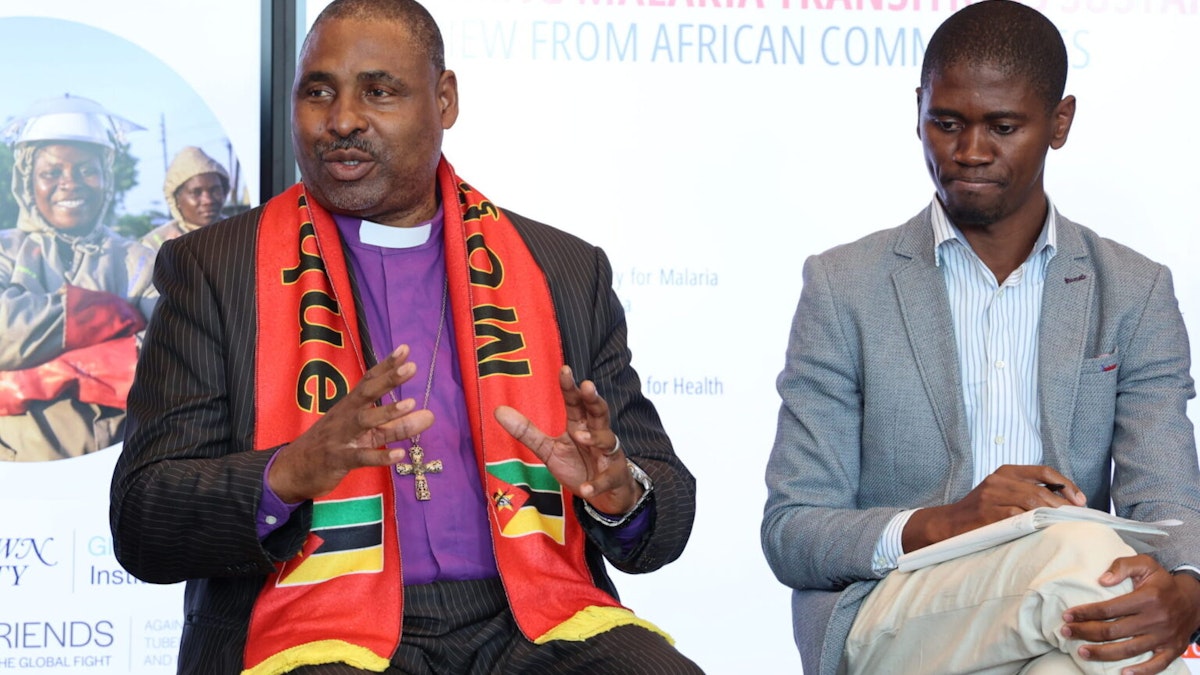
A new generation will ask how we let a disease that can be prevented — cured, even — kill so many people.
Executive Director of the Programa Inter Religioso Contra a Malaria (PIRCOM)
The Big Push: From Today to Tomorrow
Connected Progress
Funding is the foundation of every other pillar
Protected funding enables everything else. Coordination mechanisms require resources to convene and sustain. National leadership needs domestic investment to demonstrate commitment. Data systems demand infrastructure investment. Service delivery depends on commodity procurement and health worker compensation. New tool adoption requires advance financing for procurement and scale-up. Without sustained, predictable funding, no pillar can deliver on its promise.
Manage cookie preferences
Select which optional cookie categories you want to allow. Essential cookies are always active.
Essential cookies are required for site functionality.