How we track progress
% countries with national policies that indicate CHWs receive government salaries
Source: RBM Community Health Dashboard
% of target population with appropriate ITN
Source: World Malaria report on coverage for African countries; Annual WHO modelling on this
% of countries with an epidemic preparedness and response plan
Source: TBC
% of counties with >3 months case management commodities available
Source: RBM supply chain dashboard
% countries generating MMS data in country in the past year
Source: World Malaria Threats Map
The challenge
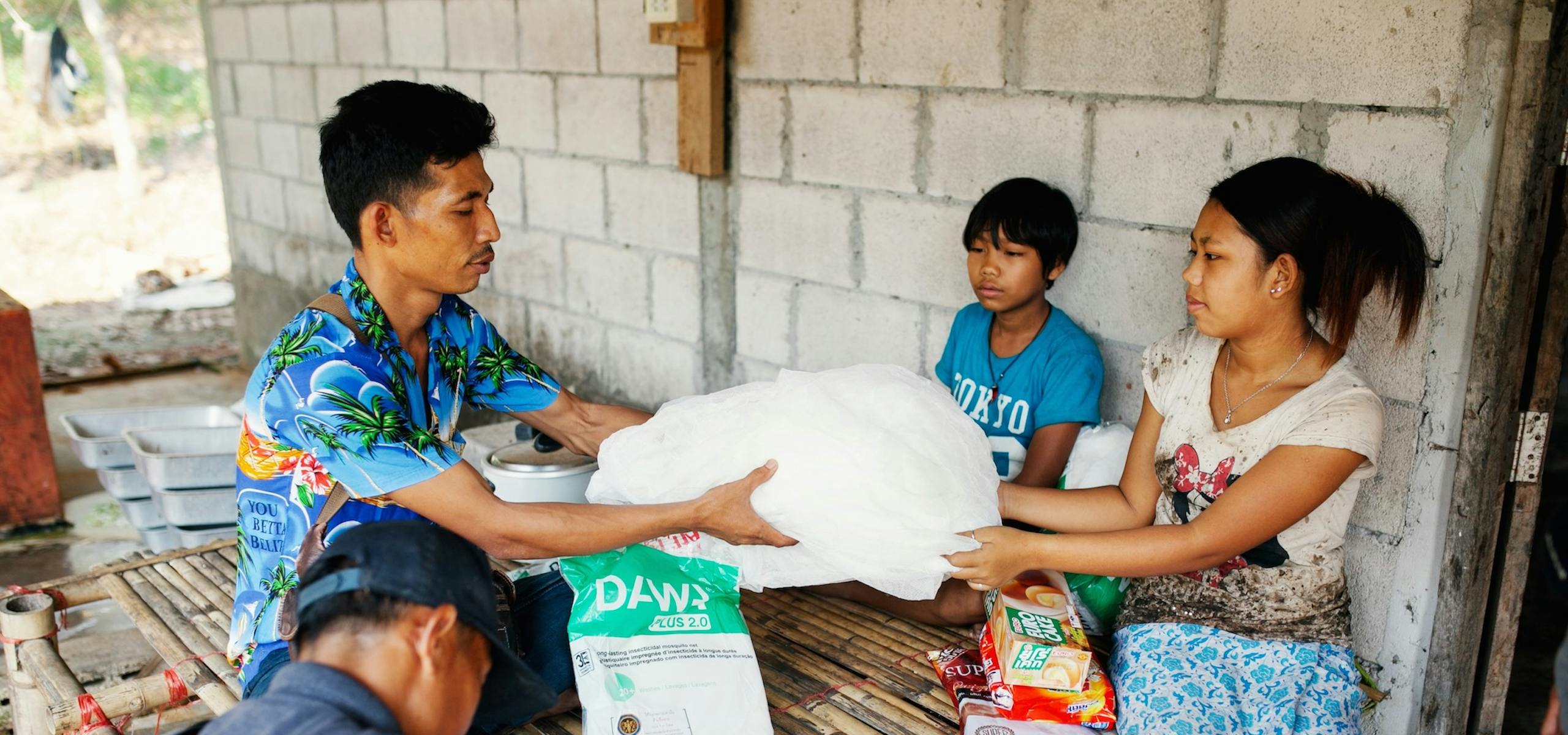
The world already has proven malaria interventions — insecticide-treated nets, rapid diagnostics, effective treatments, and preventive therapies. The challenge is not a lack of tools. It is a failure of delivery.
Gaps in supply chains, health workforce shortages, poor service quality, and interventions that do not fit local contexts leave millions of people without the protection they need. Closing the access gap is not a logistics problem alone — it requires sustained investment in the systems that bring tools to communities.
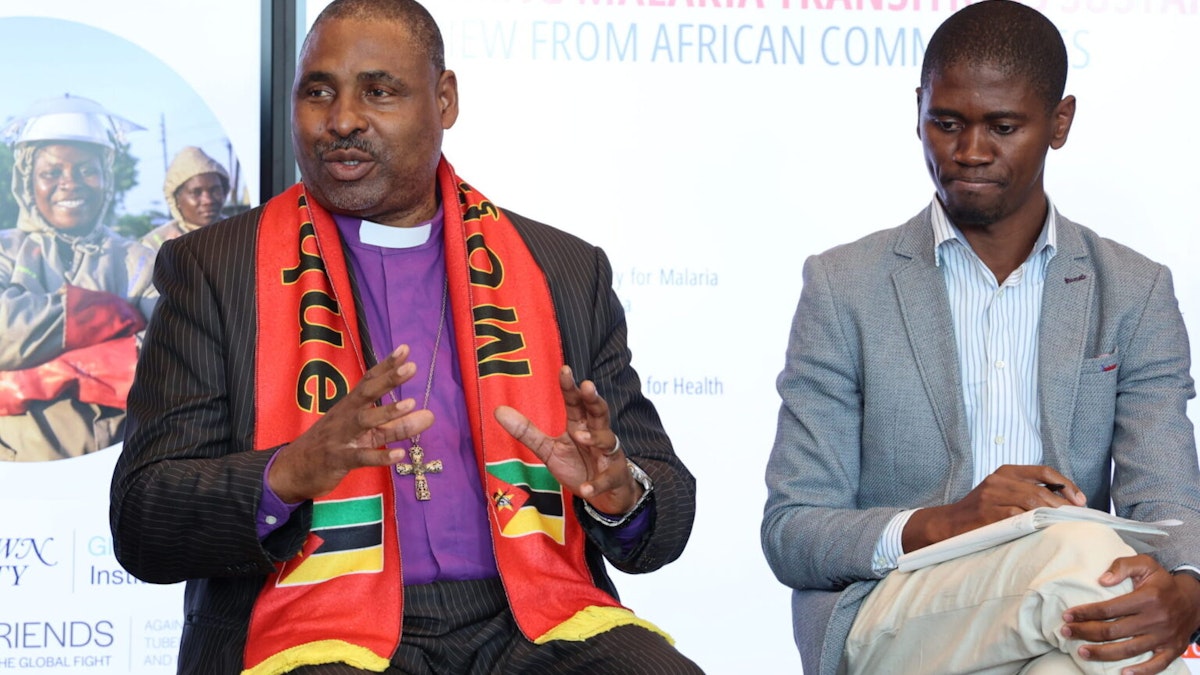
A new generation will ask how we let a disease that can be prevented — cured, even — kill so many people.
Executive Director of the Programa Inter Religioso Contra a Malaria (PIRCOM)
The Big Push: From Today to Tomorrow
Connected Progress
Accessible services depend on every other pillar
Equitable access to malaria tools requires coordinated partner support for supply chains, national leadership for health worker policies and domestic financing, data systems for targeting underserved populations, readiness to deliver new tools as they become available, and sustained funding to maintain and expand coverage. Access is where every pillar converges.
Manage cookie preferences
Select which optional cookie categories you want to allow. Essential cookies are always active.
Essential cookies are required for site functionality.