Losing ground
Malaria remains preventable and treatable — yet progress is no longer keeping pace with the scale and complexity of the challenge.
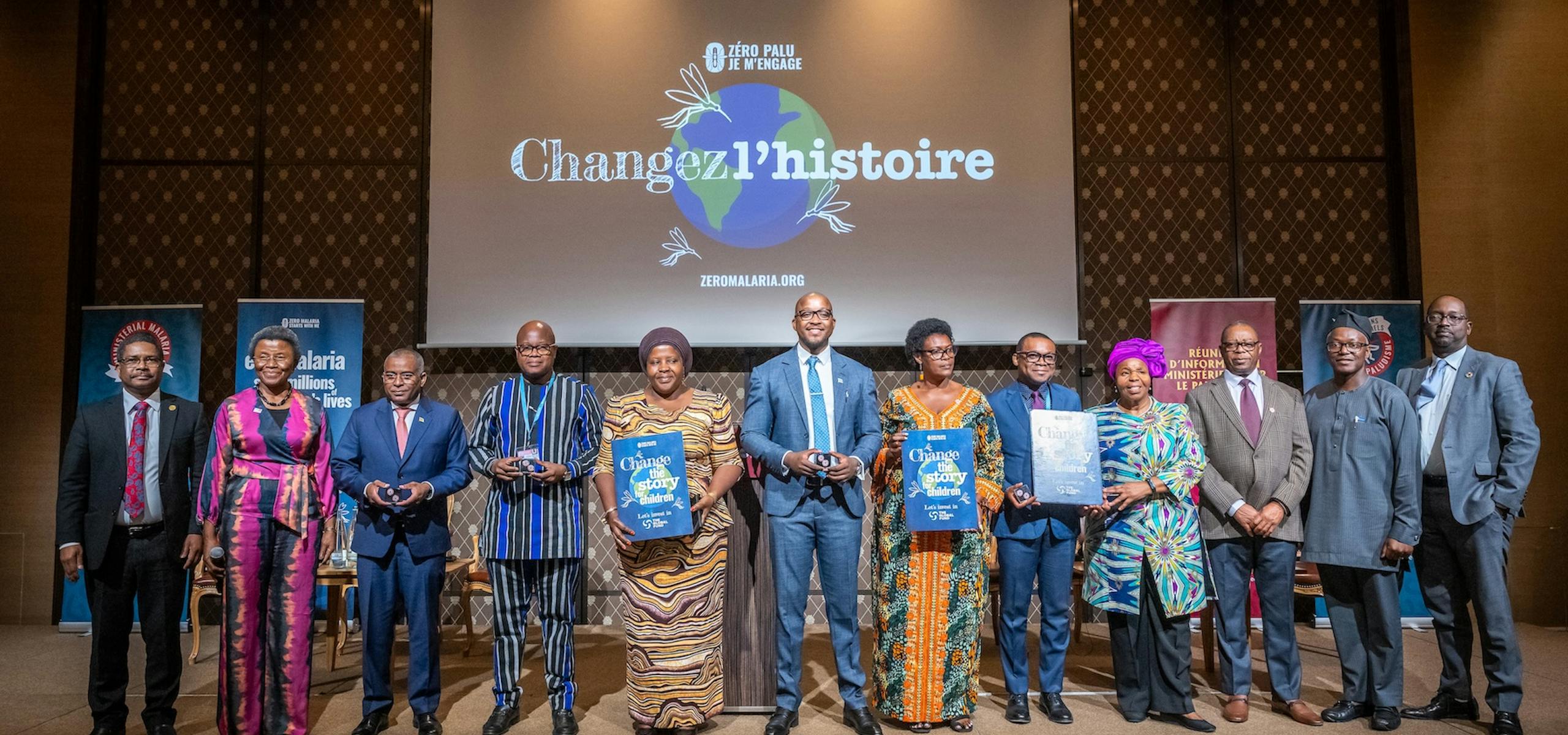
Global response
Progress has stalled. The response must evolve.
Malaria remains preventable and treatable — yet progress is no longer keeping pace with the scale and complexity of the challenge.
Efforts are too often disconnected. Greater alignment is essential to move faster and deliver where it matters most.
The Big Push aligns action, strengthens accountability, and accelerates delivery where it can have the greatest impact.
Lives lost each year to malaria
of global deaths are in children under 5
countries + 1 territory certified malaria-free

Just as mosquitoes do not recognize borders, neither should our efforts to combat malaria.
CEO of RBM Partnership to End Malaria
The Big Push is structured around six interconnected pillars. Together, they focus collective action across the partnership while reinforcing country leadership. These pillars are mutually reinforcing—progress depends on advancing them together, not in isolation.
Country-led and partner-driven, the Big Push aligns partners behind malaria-affected countries’ priorities. It works through existing RBM coordination platforms to reduce fragmentation, focus support and accelerate collective impact.

Led by national priorities, the Big Push identifies the priority actions that need to be taken in the next five years and shape partner support via country leadership.

The full malaria ecosystem contributes where it adds the most value. Big Push KPIs address 80-90% of the priorities from the Yaoundé Declaration and the Lusaka Agenda.
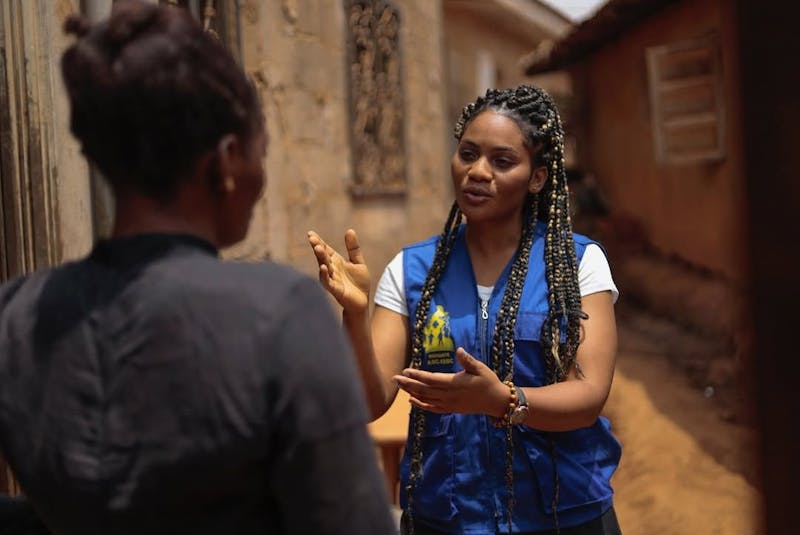
Each Big Push pillar is led by an existing RBM Partner Committee or Working Group, who help coordinate partner contributions and keep action aligned with country-led plans.
The Big Push is grounded in a clear results framework, aligned with global targets and country priorities. Progress is tracked through a focused set of indicators designed to measure whether collective action is improving delivery, strengthening systems, and accelerating impact.
Each pillar contributes to measurable outcomes—whether strengthening coordination, improving data-driven decision-making, expanding access to interventions, or unlocking financing.

We can make malaria elimination a reality. We can deliver a healthy tomorrow for women, babies, children, and adolescents — the time to start is now.
Republic of Botswana and ALMA chair
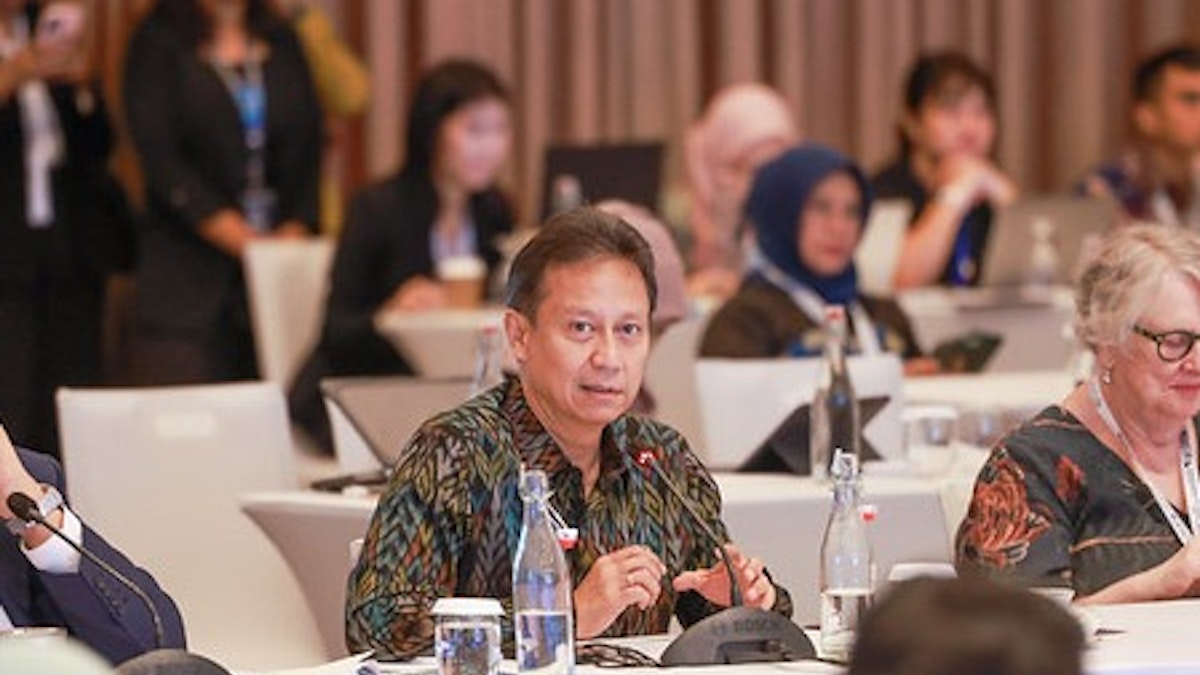
Malaria is not just a health issue – it is a development issue. To truly eliminate malaria, we must go beyond the health sector.
Republic of Indonesia

With stronger leadership, investment, and partnerships, we can defeat malaria and secure a healthier future for all Nigerians.
Coordinating Minister for Health and Social Welfare, Nigeria
Select which optional cookie categories you want to allow. Essential cookies are always active.
Essential cookies are required for site functionality.
